Korean Bibimbap
Uitgelicht onder: Wereldse Inspiratie
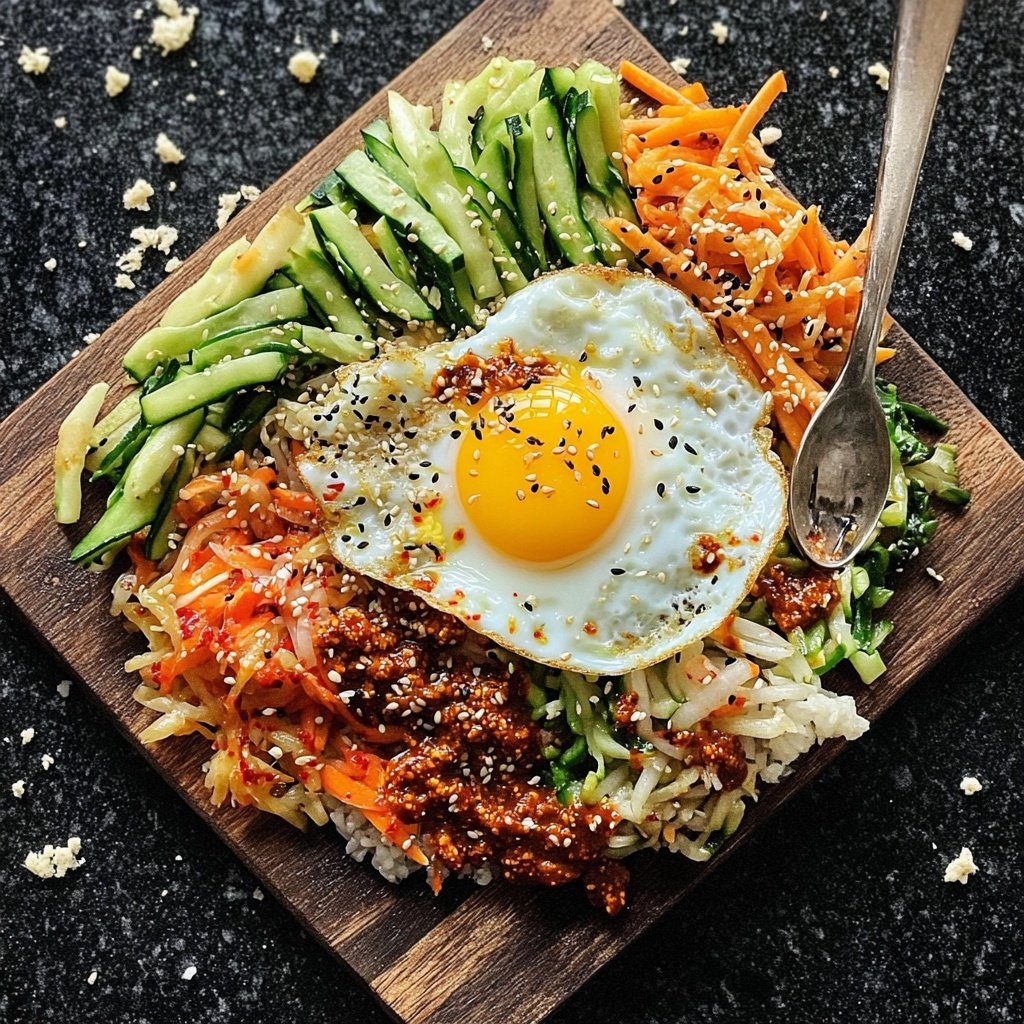
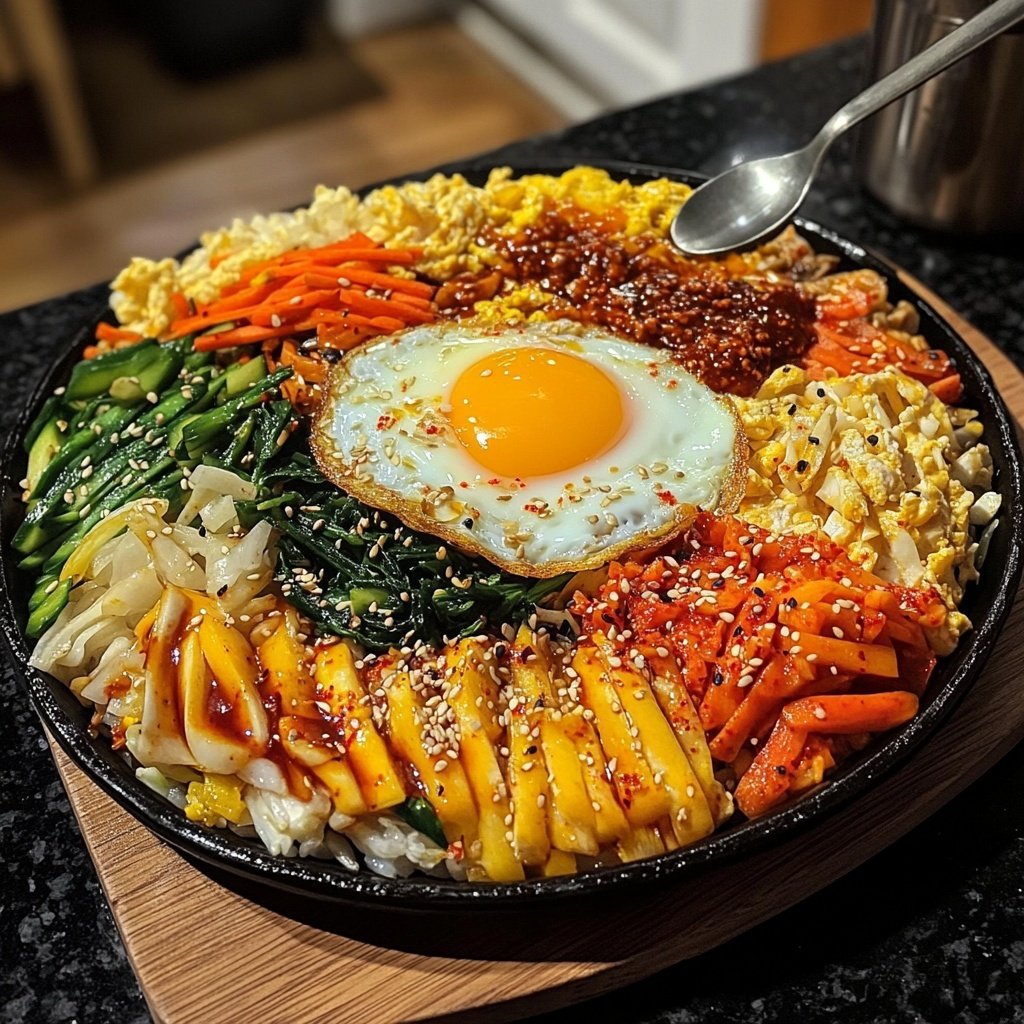
Experience the vibrant flavors of Korea with this colorful and nutritious Bibimbap, a mixed rice dish topped with a variety of vegetables, meat, and a fried egg.
Korean Bibimbap is not just a meal; it's a delightful experience filled with textures and flavors. It's a traditional dish that comes together beautifully, showcasing the best of seasonal vegetables and aromatic spices.
Why You'll Love This Recipe
- A harmonious blend of flavors and textures in every bite
- Customizable with your favorite vegetables and proteins
- Visually stunning and perfect for impressing guests
The Origins of Bibimbap
Bibimbap is a traditional Korean dish that dates back to the 19th century. Its name translates to 'mixed rice,' which perfectly encapsulates the essence of this dish. Originating from the Jeonju region, Bibimbap was originally eaten by royal families and has since become a beloved staple across Korea and beyond. The dish represents a harmonious balance of flavors, textures, and colors, making it not only a treat for the palate but also a feast for the eyes.
The beauty of Bibimbap lies in its simplicity and versatility. Traditionally, it includes a variety of seasonal vegetables, which makes it a fantastic way to incorporate fresh produce into your diet. Each ingredient is prepared separately to maintain its unique flavor and texture, culminating in a delightful medley that characterizes this iconic dish. Whether enjoyed at home or in a restaurant, Bibimbap offers a taste of Korean culture in every bite.
Customizing Your Bibimbap
One of the standout features of Bibimbap is its adaptability. You can easily customize this dish to suit your personal tastes or dietary restrictions. For a vegetarian option, simply omit the meat and add extra vegetables or tofu. If you prefer a protein-packed meal, consider adding bulgogi (marinated beef), chicken, or even seafood. The choice is yours, allowing you to create a Bibimbap that truly reflects your culinary preferences.
Moreover, the choice of vegetables can vary widely depending on the season and availability. Feel free to experiment with ingredients such as radishes, cucumbers, or bell peppers. Each addition enhances the dish's flavor profile while contributing to its vibrant presentation. This makes Bibimbap not only a delicious meal but also a canvas for your creativity in the kitchen.
Health Benefits of Bibimbap
Bibimbap is not only visually appealing but also incredibly nutritious. The dish typically includes a variety of vegetables, providing essential vitamins, minerals, and fiber. The addition of protein sources, such as eggs or meat, makes it a well-rounded meal that can fuel your body throughout the day. This balance of ingredients contributes to a healthy diet, making Bibimbap a top choice for health-conscious individuals.
Furthermore, the use of gochujang, a key ingredient in Bibimbap, brings not only a spicy kick but also health benefits. Gochujang is known for its antioxidant properties and can aid in digestion. Combined with sesame oil, which is rich in healthy fats, Bibimbap offers a delicious way to enjoy a balanced meal that nourishes both body and soul.
Ingredients
For the Bibimbap
- 2 cups cooked white rice
- 1 cup spinach, blanched and chopped
- 1 cup bean sprouts, blanched
- 1 cup carrots, julienned
- 1 cup zucchini, julienned
- 1 cup shiitake mushrooms, sliced
- 1 egg
- 2 tablespoons gochujang (Korean chili paste)
- 1 tablespoon sesame oil
- 1 tablespoon soy sauce
- 1 teaspoon sugar
- Sesame seeds for garnish
- Green onions for garnish
Feel free to mix and match your favorite vegetables and proteins!
Instructions
Prepare the Vegetables
Heat a pan over medium heat. Sauté the zucchini and carrots separately until tender. Set aside. In the same pan, sauté the shiitake mushrooms until golden. Blanch the spinach and bean sprouts, then set aside.
Cook the Egg
In a small pan, fry an egg sunny-side up until the whites are set but the yolk is still runny.
Assemble the Bibimbap
In a bowl, place a serving of rice at the bottom. Arrange the sautéed vegetables, spinach, and bean sprouts on top of the rice. Place the fried egg in the center.
Add the Sauce
Drizzle the sesame oil, soy sauce, and gochujang over the top. Sprinkle with sesame seeds and green onions.
Mix and Enjoy
Before eating, mix all the ingredients together thoroughly to enjoy the full range of flavors.
Serve immediately and enjoy this delicious and nutritious meal!
Professionele Tips
- Feel free to add your protein of choice, such as beef, chicken, or tofu, to make it a complete meal.
Tips for Perfecting Your Bibimbap
To make the perfect Bibimbap, ensure that each ingredient is cooked to the right texture. Vegetables should be tender yet still crisp, maintaining their vibrant colors. This not only enhances the dish's presentation but also retains the nutrients. Additionally, when preparing rice, use short-grain white rice for the best results, as it provides a stickier texture that holds the toppings well.
Another tip is to serve the Bibimbap in a heated bowl. This keeps the rice warm and enhances the overall dining experience. If you have access to a dolsot (stone bowl), using it will allow the rice to develop a crispy layer at the bottom, adding a delightful crunch to each bite. Don't forget to encourage your guests to mix the ingredients thoroughly to enjoy the full spectrum of flavors.
Serving Suggestions
Bibimbap is a versatile dish that can be served in various settings, from casual family dinners to elegant gatherings. For a more festive presentation, consider serving individual bowls, allowing each guest to customize their Bibimbap according to their preferences. Pair it with Korean side dishes, known as banchan, to create a well-rounded meal that showcases the diversity of Korean cuisine.
For a refreshing drink to accompany your Bibimbap, try traditional Korean beverages like Sikhye (sweet rice drink) or a chilled glass of barley tea. These drinks complement the flavors of the dish while enhancing the overall dining experience. Whatever the occasion, Bibimbap is sure to impress and satisfy your guests.
Vragen Over Recepten
→ Can I make Bibimbap vegetarian?
Absolutely! Simply omit the egg or use a plant-based substitute.
→ How can I store leftover Bibimbap?
Store the components separately in airtight containers in the fridge for up to 3 days.
→ What can I use instead of gochujang?
If you can't find gochujang, you can use sriracha mixed with a little sugar as a substitute.
→ Can I use brown rice instead of white rice?
Yes, you can use brown rice for a healthier option, just adjust the cooking time accordingly.
Korean Bibimbap
Gemaakt door: Isobel Fairfax
Recepttype: Wereldse Inspiratie
Vaardigheidsniveau: Intermediate
Eindportie: 2 servings
Wat je Nodig Hebt
For the Bibimbap
- 2 cups cooked white rice
- 1 cup spinach, blanched and chopped
- 1 cup bean sprouts, blanched
- 1 cup carrots, julienned
- 1 cup zucchini, julienned
- 1 cup shiitake mushrooms, sliced
- 1 egg
- 2 tablespoons gochujang (Korean chili paste)
- 1 tablespoon sesame oil
- 1 tablespoon soy sauce
- 1 teaspoon sugar
- Sesame seeds for garnish
- Green onions for garnish
Stappen
Heat a pan over medium heat. Sauté the zucchini and carrots separately until tender. Set aside. In the same pan, sauté the shiitake mushrooms until golden. Blanch the spinach and bean sprouts, then set aside.
In a small pan, fry an egg sunny-side up until the whites are set but the yolk is still runny.
In a bowl, place a serving of rice at the bottom. Arrange the sautéed vegetables, spinach, and bean sprouts on top of the rice. Place the fried egg in the center.
Drizzle the sesame oil, soy sauce, and gochujang over the top. Sprinkle with sesame seeds and green onions.
Before eating, mix all the ingredients together thoroughly to enjoy the full range of flavors.
Extra Tips
- Feel free to add your protein of choice, such as beef, chicken, or tofu, to make it a complete meal.
Voedingswaarde (Per Portie)
- Calories: 550 kcal
- Total Fat: 20g
- Saturated Fat: 4g
- Cholesterol: 186mg
- Sodium: 600mg
- Total Carbohydrates: 75g
- Dietary Fiber: 5g
- Sugars: 3g
- Protein: 18g